What Are the 10 Important Types of E-Commerce?
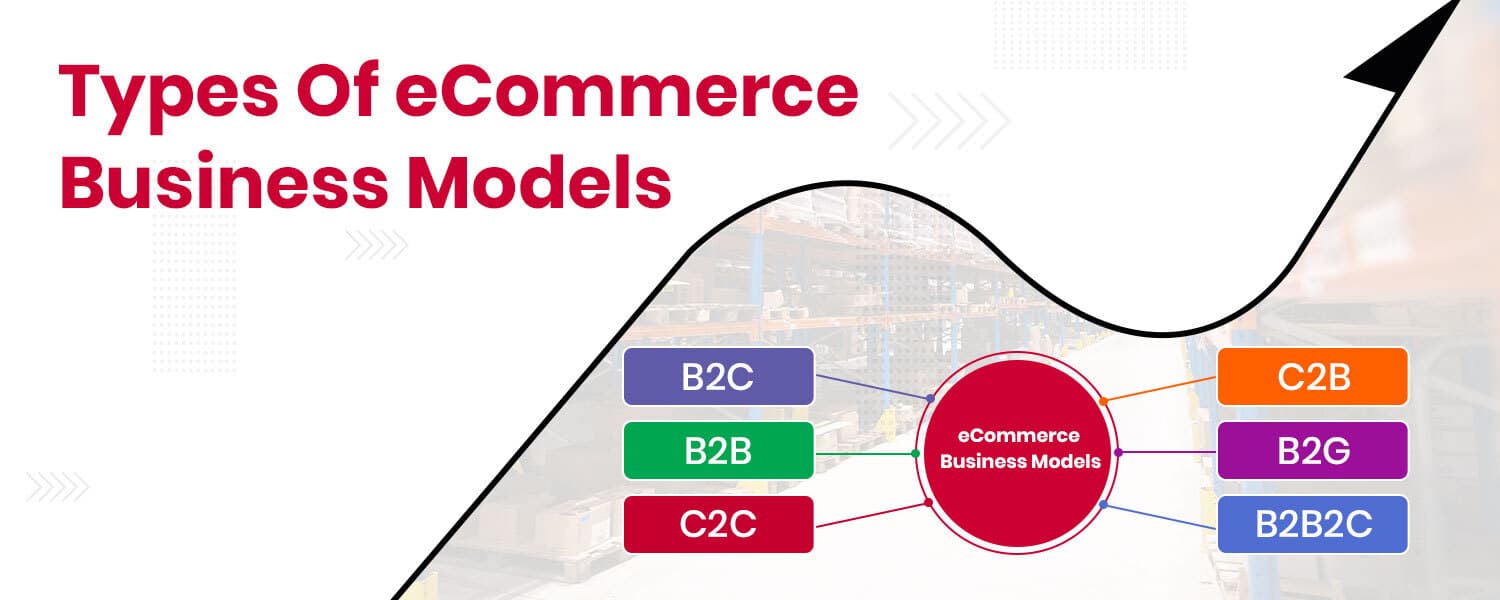
E-commerce isn’t one-size-fits-all. As businesses go online, they choose different models based on their audience, product type, logistics, and goals. Understanding the main types of e-commerce helps you pick the right model or combine models to best serve customers and scale profitably.
Here are 10 important e-commerce types, with details, examples, pros, cons, and how to decide which model(s) might suit you.
1. Business-to-Business (B2B)
Definition: Companies selling goods or services to other companies via online platforms. Products might be raw materials, components, software, wholesale inventory, or industrial goods.
Examples: Alibaba (wholesaler/distributor), ThomasNet, bulk suppliers.
Characteristics:
- Larger order sizes and volumes
- More negotiation, contract pricing
- Longer sales cycles
- Often recurring or repeat purchases
Pros:
- Predictable revenue through contracts and repeat business
- Higher average order values
- Lower marketing cost per dollar of sale (once relationships are built)
Cons:
- Longer sales process; decision-making involves multiple stakeholders
- Complex logistics and customer support
- Need for tailored pricing, catalogs, and integration with supply chains
When it fits: You have a product or service used by other businesses—wholesale, SaaS, industrial goods—and you can support the complexity of B2B operations.
2. Business-to-Consumer (B2C)
Definition: Businesses selling directly to end consumers. Products range from physical goods (clothes, gadgets, food) to digital products (ebooks, streaming, apps).
Examples: Amazon, Zara online store, any retail brand with an online storefront.
Characteristics:
- Larger customer base but smaller average order per transaction
- More impulse buying
- Shorter sales cycle
- Heavy emphasis on user experience, brand, content, and marketing
Pros:
- Broad market potential
- Easier to scale via digital marketing and UX optimization
- Faster feedback loops on products, pricing, and design
Cons:
- High competition, customer acquisition cost can be significant
- Need for constant innovation and user experience refinement
- Fulfillment, returns, and customer service can be resource-intensive
When it fits: If your product appeals directly to consumers, you have or can build a strong brand & marketing, and you can handle the logistics of many smaller orders.
3. Consumer-to-Consumer (C2C)
Definition: Consumers sell directly to other consumers via a third-party platform or marketplace.
Examples: eBay, Etsy, OLX, platforms where individuals sell used items or handmade goods.
Characteristics:
- Platform owner facilitates trust, payments, and dispute resolution
- Listings by many individual sellers
- Variable quality, price, and shipping experiences
Pros:
- Lower inventory risk for the platform owner
- Large variety of goods, often unique or handmade
- Community aspect and peer reviews add value
Cons:
- Moderation, fraud prevention, and buyer protection are critical
- Quality control is variable
- Platform monetization can be challenging (fees, commissions, ads)
When it fits: If you can build or run a marketplace well, handle trust and platform fees, and attract enough sellers and buyers to generate a network effect.
4. Consumer-to-Business (C2B)
Definition: Individuals offering products or services to businesses rather than the more usual model of businesses offering to consumers.
Examples: Freelancers offering design, writers licensing content, influencers offering promotional access, photographers licensing stock images to companies.
Characteristics:
- Often project-based or service-based rather than physical products
- Buyers are businesses; sellers are individuals or small creators
Pros:
- Flexible, often remote; low upfront cost for seller
- Companies get access to diverse talent or content
Cons:
- Pricing and scale can vary widely
- Dependence on reputation and portfolio for individuals
When it fits: If you produce content, craft, creative services, or want a marketplace where businesses need crowdsourced resources, you may consider C2B as part of your strategy
5. Direct-to-Consumer (D2C)
Definition: A type of B2C where manufacturers or brands bypass wholesalers or retailers to sell directly to end consumers.
Examples: Warby Parker, Glossier, Dollar Shave Club.
Characteristics:
- Full control over product, pricing, brand messaging, and customer data
- Requires logistics and customer service infrastructure
Pros:
- Higher margins (no retailer cuts)
- Strong brand building and customer relationship
- Faster feedback and iteration on products
Cons:
- You must manage manufacturing, fulfillment, returns, and support
- Marketing needs to be strong to reach customers directly
When it fits: If you produce your own products or have control over design/manufacturing, and want to own the relationship with the end user.
6. Subscription E-Commerce
Definition: A Business model where customers subscribe to recurring delivery of a product or ongoing service (digital or physical).
Examples: Monthly meal kits (Blue Apron), SaaS tools with subscription fees, streaming services (Netflix), subscription boxes.
Characteristics:
- Recurring revenue model
- Need to reduce churn and maintain value over time
Pros:
- Predictable revenue and cash flow
- Higher customer lifetime value
- Easier to forecast inventory, costs
Cons:
- Churn risk is high; quality and consistency must be excellent
- Customer acquisition costs must balance with retention
When it fits: If you offer consumable products or digital services where recurring usage justifies a subscription.
7. Marketplace E-Commerce
Definition: Platforms that connect buyers and sellers; the marketplace isn’t the producer of all goods but enables transactions among third parties.
Examples: Amazon Marketplace, Etsy, eBay.
Characteristics:
- Platform handles payments, trust, and user reviews
- Sellers manage their inventory and listings
Pros:
- Scalability (many sellers, many products)
- Less burden on inventory management if you don’t stock everything yourself
Cons:
- Need strong moderation, quality control
- Competition among sellers can compress margins
- Reputation depends heavily on platform policies
When it fits: If you want to build a platform for many sellers or offer many SKUs without owning all the inventory.
8. Mobile Commerce (M-Commerce)
Definition: E-commerce conducted via mobile devices (smartphones, tablets), often via apps or mobile-optimized sites.
Examples: Shopping via mobile app, mobile wallet payments, in-app purchases.
Characteristics:
- UX and design optimized for smaller screens, touch inputs
- Speed and performance are especially critical
Pros:
- Uses the device people carry everywhere
- Opportunity for push notifications, location-based offers
Cons:
- A smaller screen requires careful design; it’s easier to frustrate users
- Network conditions vary; need to optimize speed and offline resilience
When it fits: Always, if many of your customers use mobile. It’s not a separate business model as much as a channel/presentation difference—but sometimes you build specifically for mobile commerce.
9. Social Commerce
Definition: Selling products directly through social media platforms or integrating product discovery and purchase inside social networks.
Examples: Instagram Shop, Facebook Marketplace, Pinterest buyable pins, TikTok Shop.
Characteristics:
- Combines content, social proof, influencer marketing, and direct purchasing
- Often impulse-driven
Pros:
- High engagement; users are already consuming content
- Lower acquisition costs via organic reach, influencers
Cons:
- Dependence on platform rules and algorithms
- Customer expectations for seamless, integrated purchasing
When it fits: If your audience is active on social media, you produce visual/social content, or you want to leverage social proof heavily.
10. Business-to-Government (B2G) / Government Commerce
Definition: Businesses selling goods, services, or software to the public sector or government bodies through tenders, contracts, RFPs, etc.
Examples: Companies that sell software to municipal governments, contractors bidding on public works, and health system supply contracts.
Characteristics:
- Formal procurement process, often regulated
- Longer sales cycles; strict compliance
Pros:
- Large contract size, stable demand
- Opportunity for long-term relationships, reliability
Cons:
- Bureaucracy, regulation, and complex bid processes
- Payment terms are often long; compliance burdens
When it fits: If your product or service meets public sector needs and you can navigate procurement, regulation, and compliance.
Comparison & Mix Models
Many businesses use hybrid or combined models. For example:
- A D2C brand might sell via marketplaces as well (marketplace + direct).
- A company may have both B2B and B2C divisions.
- Subscriptions may combine with B2C or B2B models.
Deciding what mix works depends on your product, audience, margin structure, resources, and ability to manage logistics and customer experience across channels.
How to Choose the Right E-Commerce Type for Your Business?
Here are factors to consider when selecting or refining your e-commerce model:
- Who is your customer? Consumer, business, government?
- What is your product or service? Physical goods, digital, services?
- Volume & order frequency – Do you expect repeat orders or high volume?
- Margin structure – Does cutting out middlemen help vs the costs of managing direct relationships?
- Customer acquisition & marketing strength – B2C/social commerce needs strong branding & marketing; B2B needs relationships and long-term trust.
- Logistics and fulfillment capabilities – Can you handle shipping, returns, inventory, etc.?
- Regulatory & compliance constraints – Especially for B2G, or selling certain categories.
Final Thoughts
E-commerce offers many models. There’s no “right” model universal for everyone, but the right model for you will align with your product, audience, resources, and long-term vision. Choosing wisely and being willing to adapt or combine models sets you up for sustainable growth.
Thinking about launching or refining your e-commerce platform? Reach out to Websvent for a discovery call.




 Seo Manager
  April 3, 2026