What Is the Main Benefit of Using Design Templates in Brand Strategy?
Branding is more than a logo. It is how people see your business. It is the message you send. It is the feeling customers get when they see your posts, website, or ads. Strong brands build trust. Weak brands confuse customers. This is why design templates play an important role in any brand strategy. They help you stay clear, consistent, and professional even when you work fast or have a small team. Many companies today rely on design templates to create marketing materials, social media posts, ads, and website pages.
But what is the main benefit of using design templates in brand strategy?
The answer: Consistency.
Consistency creates recognition. Recognition builds trust. Trust leads to sales.
And this one benefit opens the door to many others.
In this blog, we explore how design templates support branding, why they work so well, and how businesses of all sizes use them to grow. We also look at how templates support Affordable Web Design Solutions and make branding easier for small businesses.
1. Why Consistency Matters in Branding
Your brand is a promise. When customers see your business online or in person, they expect the same message, style, and tone each time. Consistency helps them feel safe. It helps them remember you.
Think of brands you know well.
Coca-Cola. Apple. Nike.
You can spot their ads in a second.
Why?
Because their design looks the same everywhere.
Design templates make that possible, even if you do not have a full design team. They guide color use, text style, spacing, and layout. They help your team stay aligned. They prevent random designs from hurting your image.
Strong brand consistency leads to:
- Clear identity
- Professional look
- Better recall
- Stronger trust
- Higher loyalty
This is why companies use templates in social media posts, presentations, banners, emails, and websites.
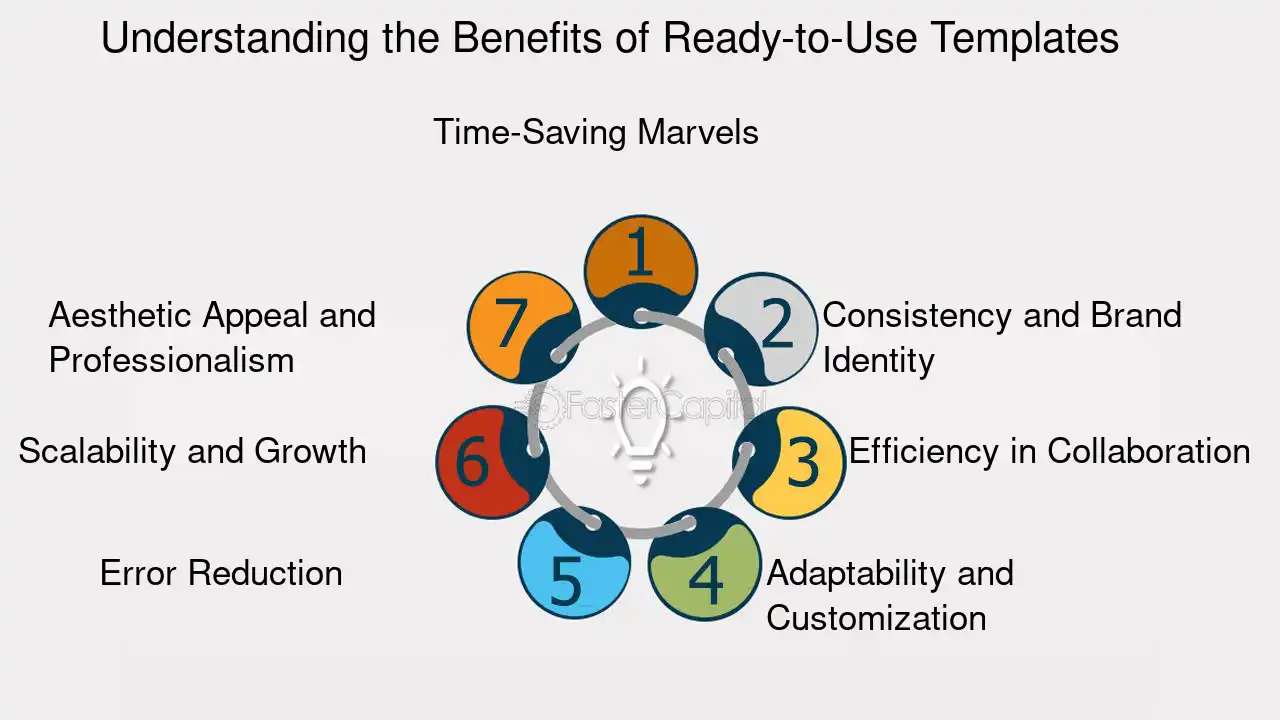
2. Templates Save Time and Reduce Workload
Branding can be time-consuming. Every time you create a new flyer, ad, or post, you must think about layout, color, font, and spacing. With templates, you skip all that.
You start with a ready-made structure.
You add your text and images.
You publish.
This reduces stress. It reduces delays. It also helps teams work faster without losing quality.
For example:
A restaurant posts daily menu updates. A clothing store posts weekly sale banners. A consultant creates monthly pitch decks.
Without templates, this becomes slow and chaotic.
With templates, each task takes minutes.
Small businesses with limited staff get the biggest benefit. Templates help them compete with larger brands even if they have less time or money.
3. Templates Reduce Design Costs
Branding requires money. If you hire designers for every small task, the cost becomes high. Templates lower these costs.
Once your base templates are designed, your team can use them again and again. This gives you:
- Fewer design edits
- Fewer revisions
- Fewer outsourcing expenses
- A clear, set layout for each task
This also supports Affordable Web Design Solutions, because businesses can:
- Keep their branding uniform
- Reduce the number of custom pages needed
- Make updates faster
- Keep long-term design costs low
Templates are a long-term investment. Once you have them, you can use them for years.
4. Templates Help Build a Clear Brand Image
Many businesses struggle with a scattered brand image. They may use different colors, different fonts, and different layouts across platforms. This confuses customers.
Templates fix that problem.
They bring order.
They create a pattern.
A pattern is easy to remember.
Customers trust brands that look polished and stable.
Templates create that stability.
Imagine scrolling on social media. When you see a business that uses the same design style for every post, you recognize it instantly. This is what templates achieve.
They help businesses look:
- Strong
- Organized
- Professional
- Reliable
Even if your business is small, templates help you look established.
5. Templates Help Teams Stay Organized
In many companies, different people work on marketing. One person creates posters. Another creates Instagram stories. Another writes newsletters. Without templates, everyone uses their own style.
This leads to:
- Confusing visuals
- Off-brand colors
- Layout mistakes
- Mismatched tone
- Loss of professionalism
Templates act like a rulebook. They keep everyone aligned even if they come and go. New employees can pick them up fast. Freelancers can understand your brand instantly.
This improves teamwork and reduces errors.
6. Templates Strengthen Digital Marketing
Digital marketing moves fast. You must create regular content to stay visible. Templates make this easy.
Most brands use templates for:
- Social media posts
- Carousel ads
- Website banners
- Landing pages
- Email newsletters
- Business presentations
- Blog graphics
- YouTube thumbnails
- Pinterest pins
- LinkedIn posts
These platforms need quick updates. Templates help you post more often without losing brand quality.
Consistency boosts engagement.
Engagement boosts reach.
Reach boosts sales.
Templates support the full marketing cycle.
7. Templates Improve Customer Experience
When customers see a clear and cohesive brand, they feel more confident. They understand who you are and what you provide.
Templates help shape that experience.
They guide the customer journey.
For example:
- When a customer receives a clean, well-designed invoice, they feel secure.
- When they read a neat email newsletter, they feel informed.
- When they see clear website graphics, they trust your service.
Brand experience is not only about visuals. It is how customers feel about your brand. Templates create a smooth, simple experience.
8. Templates Support Affordable Web Design Solutions
Many small businesses look for Affordable Web Design Solutions because they want a strong online presence without high costs. Templates play a big part in that.
When building a website:
- Templates speed up layout creation
- They reduce coding needs
- They help your branding stay uniform
- They make updates easier
- They lower redesign costs
They also help businesses update seasonal promotions, blog banners, and landing pages without hiring new designers each time.
Templates serve as a bridge between simple DIY tools and professional design standards.
9. Templates Help Businesses Scale
As a business grows, the workload grows. More posts. More ads. More pages. More communication. Templates help you meet these demands without stress.
A scalable brand must operate with speed and clarity. Templates support that by giving you a repeatable structure. You do not waste time redesigning. You simply adjust the content.
This allows small businesses to behave like big brands.
It creates efficiency.
It builds trust.
10. Templates Reduce Brand Mistakes
Brand mistakes are common. Wrong colors. Wrong logo size. Wrong alignment. Inconsistent tones. Templates prevent these mistakes.
When the layout is fixed, fewer errors occur.
This keeps your brand safe.
It also protects your reputation.
One wrong design can confuse customers. Templates ensure your brand looks clean every time.
11. Templates Make Your Brand Memorable
People remember patterns, not randomness. Templates create visual patterns.
They turn your posts into something your audience can recognize instantly.
They give your brand a “look” that sticks in the mind.
A memorable brand earns trust faster. And trust is the foundation of sales.
12. Templates Support Content Planning
Even planning becomes easier.
Teams know what each design will look like.
They know where text goes.
They know color rules.
This helps you create a content calendar and stick to it.
You publish regularly.
Your pages stay fresh.
Your brand stays active.
13. Templates Make Branding Accessible for All Businesses
You do not need a large team or a big budget to have strong branding. Templates level the playing field. They make branding possible for:
- Startups
- Solo entrepreneurs
- Local businesses
- Online stores
- Coaches
- Consultants
- Restaurants
- Agencies
Anyone can use templates and look polished.
14. Templates Work Across All Platforms
One template style can be used for:
This multi-use flexibility saves time and budget. It keeps your brand unified across all channels.
Conclusion
The main benefit of using design templates in brand strategy is consistency. But beyond that, templates help you save time, lower costs, build trust, improve teamwork, scale faster, and stay organize.
They support strong branding across every platform you use. They make your business look professional, stable, and clear. Templates also work hand in hand with Affordable Web Design Solutions, helping small businesses build a strong digital presence without financial strain.
Templates are not just design tools.
They are brand-strengthening tools.
They help your business look its best every day.






 Seo Manager
  April 3, 2026