Why is accessibility important in web development?
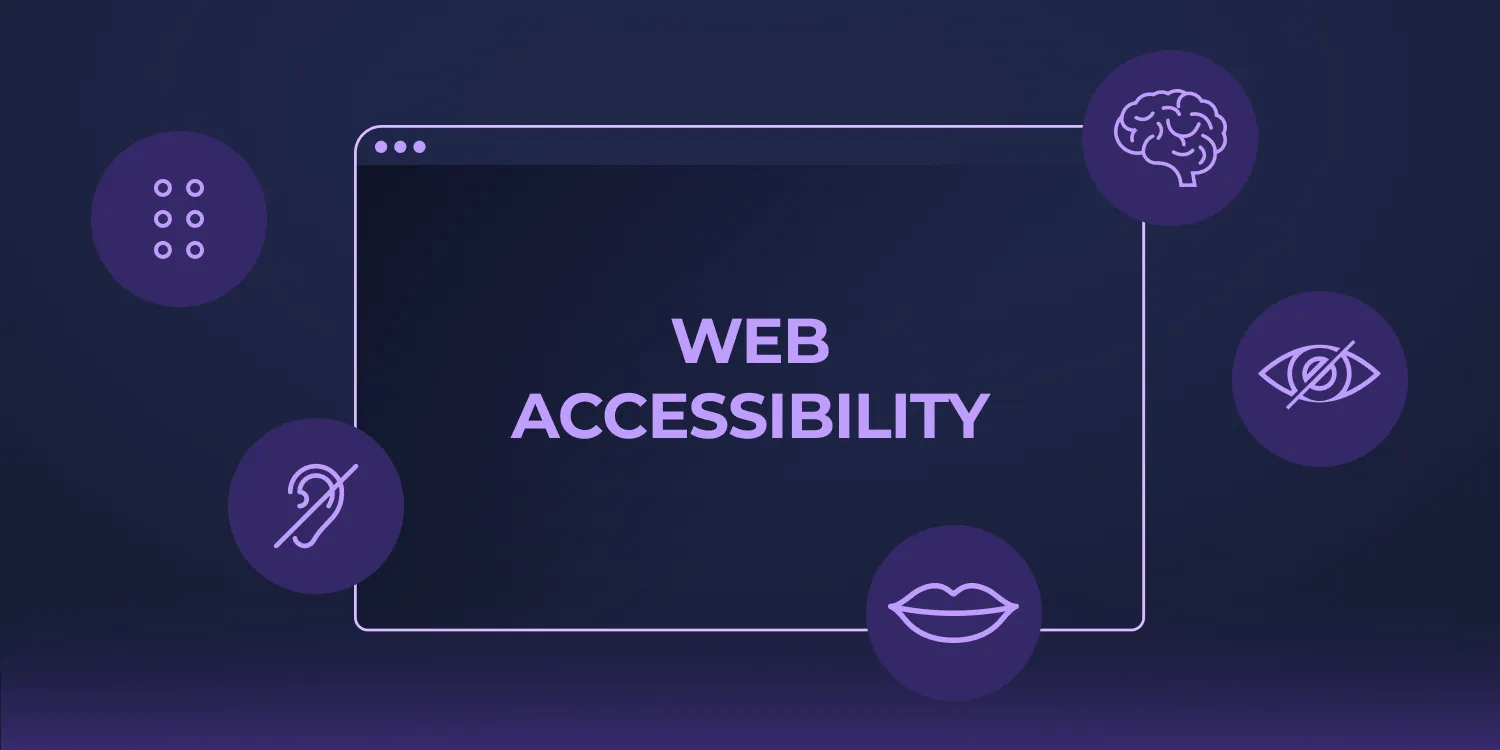
Websites are part of daily life. We use them to shop, learn, work, and connect. But not everyone can use websites easily. Some people have disabilities. Others have slow internet or older devices. Accessibility in web development means making sure everyone can use a website without frustration.
Imagine trying to apply for a job online, but the “submit” button cannot be reached. Or a student reading study materials, but a screen reader cannot read images. These problems make people leave. Accessible websites keep users happy, engaged, and coming back.
Accessibility is not optional. It is about respect, usability, and good business sense.
What Accessibility Means?
Accessibility means making websites usable for everyone. Some people cannot see well. Others cannot hear the audio. Some cannot use a mouse and rely on a keyboard. Accessibility ensures all these users can interact with content naturally.
Temporary issues also matter. Someone with a broken arm, bright sunlight, or slow internet still needs to use a website. Designing for these situations helps everyone. Accessibility is about real-life usability, not just rules or checklists.
How Accessibility Helps Users?
Accessible websites are easier to read and navigate. Headings guide users. Buttons and menus are simple to understand. Text is clear. Forms are easy to fill out. People don’t get lost or frustrated.
For example, think of a shopping website. Small buttons and faint text make users leave. If buttons are clear, labels make sense, and navigation is simple, users can finish purchases easily. Accessibility creates a smoother, better experience.
Accessible design builds confidence. Users know how to move through the site and complete tasks. This increases trust and keeps them coming back.
Accessibility Benefits Everyone
Accessibility is not only for users with disabilities. Everyone benefits. Bright sunlight? High-contrast text helps. Noisy environment? Captions help. Mobile user? Responsive layouts help. Older adults? Large fonts help.
Even temporary challenges matter. A person with an arm injury may not use a mouse easily. A website that works with keyboard or touch navigation allows them to complete tasks. Accessible design makes websites usable in many situations.
Legal and Compliance Matters
Many countries have laws requiring websites to be accessible. Businesses that ignore this risk face fines, complaints, or reputational damage. Accessible websites reduce these risks. They show that the business cares about all users.
Compliance is not just about avoiding trouble. It is about showing respect and responsibility. A website that works for everyone builds trust and credibility.
Saving Time and Money
Fixing accessibility after a website is live costs more. Retrofitting pages, rewriting content, and testing across devices takes time and money. Planning accessibility from the start saves resources. It also reduces complaints and makes maintenance easier.
Affordable Web Design Solutions help businesses integrate accessibility from the beginning. This keeps costs low while creating a high-quality, inclusive website.
Accessibility Helps SEO
Accessible websites often rank better in search engines. Clear headings, descriptive links, and image alt text make content easier to understand. Structured content improves indexing and visibility.
Accessible design benefits both humans and search engines. Better SEO brings more visitors and increases engagement.
Writing Clear Content
Accessible content is simple and clear. Short paragraphs and concise sentences make reading easy. Users can scan the page and find what they need quickly. Organized content helps both readers and search engines.
For example, a recipe website should have headings for breakfast, lunch, and dinner. Each recipe should have a clear title, ingredients, and step-by-step instructions. Users find what they need without confusion.
Encouraging More Conversions
Accessible websites get better results. Clear buttons, forms, and calls-to-action make tasks simple. Users can sign up, purchase, or contact a business without frustration.
Think of an online store. If buttons are small or forms are confusing, users leave without buying. Accessibility removes these obstacles and improves conversions.
Reaching More People
Accessible websites reach more users. People with disabilities, older adults, mobile users, and those with temporary challenges can all access content. Inclusive websites increase audience size and engagement.
Accessibility is not only ethical. It is smart business. A website that works for everyone creates more opportunities.
Building Trust
Websites that work for everyone show care. Users feel respected. Trust grows. Visitors return and recommend the site to others. Accessibility strengthens reputation and professionalism.
Even small improvements, like readable fonts, good contrast, and clear labels, make users feel valued. Over time, this builds loyalty and long-term engagement.
Affordable Web Design Solutions
Accessibility does not have to be expensive. Affordable Web Design Solutions integrate accessibility from the start. Clear layouts, responsive design, and organized content create usable websites for everyone.
Planning makes websites inclusive without high costs. Accessibility becomes a natural part of design, not an extra expense.
Accessibility on Mobile Devices
Most users browse websites on phones. Accessibility matters on small screens. Text must be readable. Buttons must be easy to tap. Layouts must adjust.
Mobile-friendly accessibility ensures smooth navigation and a better user experience. Responsive design, simple menus, and easy-to-use forms reduce frustration.
Planning for the Future
Technology changes quickly. Accessible websites adapt to new devices, software, and assistive technologies. Planning for accessibility ensures websites remain usable and effective as technology evolves.
Voice navigation, screen readers, and touch devices all work better with an accessible design. Accessibility is a long-term investment that benefits both users and businesses.
A learning platform without captions makes lessons impossible for students with hearing difficulties. A website with small text and poor contrast may confuse older users. Accessible design fixes these issues with captions, color adjustments, and clear navigation.
A small online store may have users with limited mobility. Accessible buttons, forms, and checkout make it possible for them to buy products easily. These improvements benefit all users, not just those with disabilities.
Step-by-Step Tips for Accessibility
- Use clear headings to structure content.
- Add alt text to images so screen readers can interpret them.
- Ensure keyboard navigation works for all menus and buttons.
- Check color contrast for readability.
- Use simple and clear language.
- Test on multiple devices, including phones and tablets.
Small changes like these make websites easier for everyone and improve overall usability.
Conclusion
Accessibility is vital in web development. It improves usability, SEO, conversions, audience reach, and trust. Accessible websites work for everyone, including people with disabilities, older adults, mobile users, and those with temporary challenges.
Affordable Web Design Solutions make accessibility achievable without high costs. Businesses that plan for accessibility create websites that are inclusive, functional, and sustainable.
To create websites that serve all users and drive results, visit: Contact us.





 Seo Manager
  April 3, 2026