What Are Progressive Web Apps?
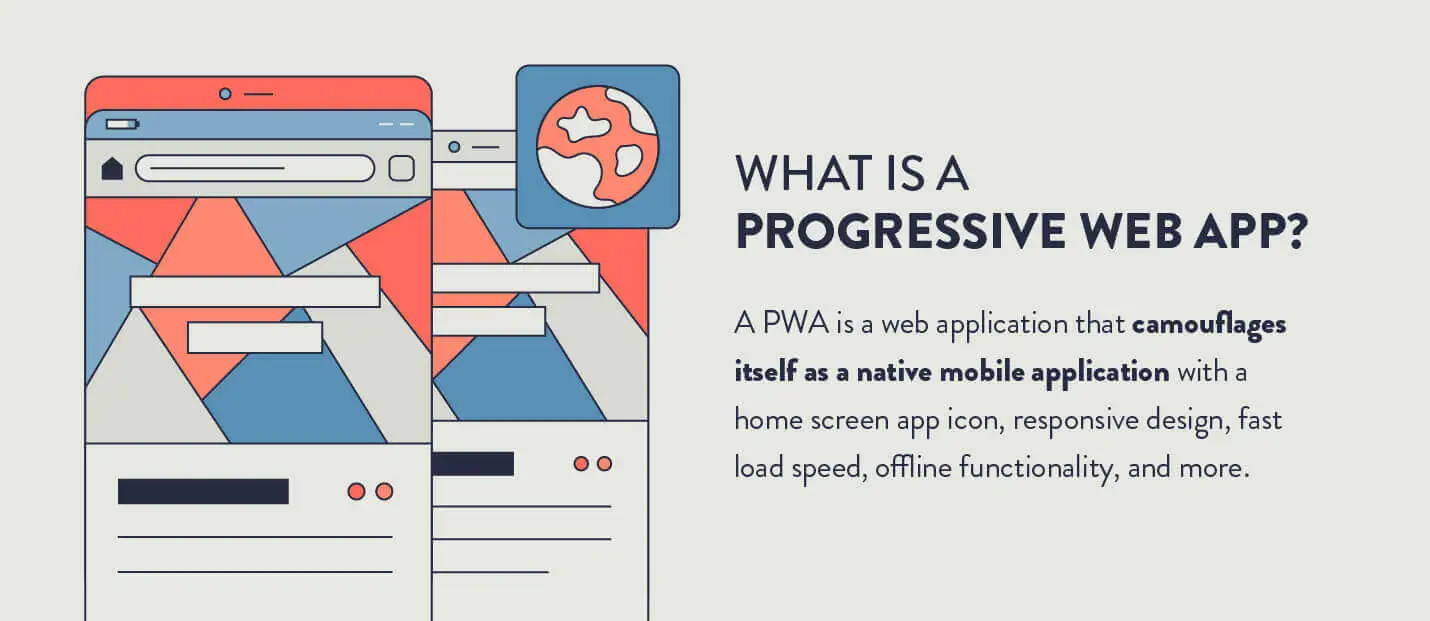
Progressive Web Apps, or PWAs, are websites that behave like apps. They look and feel like apps but run in a browser. Users do not need to download them from app stores. PWAs can work offline, load fast, and send push notifications.
PWAs are changing web development. They make websites faster and more interactive. Businesses can reach more users without asking them to install a full app. Users get a smoother, easier experience.
How Progressive Web Apps Work?
PWAs use modern web technologies like HTML, CSS, and JavaScript. They rely on two key features: service workers and app manifests.
- Service workers let PWAs work offline and load content fast.
- App manifests make the website behave like a native app, adding an icon and splash screen on mobile devices.
These features let users access content anytime, even without internet. PWAs give app-like experiences without installation hassles.
Why PWAs Are Important?
The internet is fast, but users want websites to be faster and more reliable. PWAs meet these needs. They are lightweight, quick, and easy to maintain. Users no longer have to choose between a slow website and a heavy app.
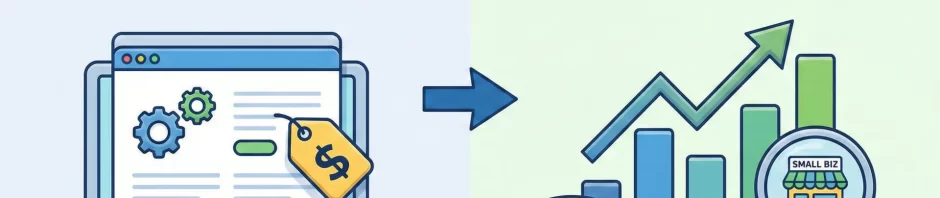
For businesses, PWAs save money. One app works on all devices. You don’t need separate apps for iOS, Android, and web. Updates are instant, and users always get the latest version.
Benefits of Progressive Web Apps
PWAs offer many advantages:
- Offline access: Users can browse content without an internet connection.
- Fast loading: Cached content loads instantly.
- Push notifications: Businesses can engage users with offers or updates.
- Cross-platform support: Works on any device or browser.
- No installation needed: Users access content quickly without downloads.
These benefits improve user experience and help businesses reach more people.
Real-Life Examples
Big companies are already using PWAs.
- Twitter Lite: Loads fast, even on slow networks, and works offline.
- Starbucks: Let’s customers browse menus, customize orders, and pay without internet.
- Pinterest: Mobile PWA improved engagement and reduced load time significantly.
Small businesses can benefit too. A local shop can create a PWA to display products, share offers, and allow online orders. PWAs make websites reliable, fast, and interactive.
PWAs vs Native Apps
Native apps are installed from app stores and work on specific platforms. PWAs work in any browser and on any device. They don’t take up storage. Updates happen automatically.
PWAs are cheaper to develop. They also increase engagement. Users access them instantly and can return easily. For businesses, this means more satisfied users and higher retention.
SEO and Accessibility Benefits
PWAs are still websites at their core. This means search engines can index them. Businesses can improve visibility and attract organic traffic.
Accessible PWAs work on any device and load fast. They give a smooth experience to all users. SEO and accessibility go hand in hand, benefiting both businesses and visitors.
Affordable Web Design Solutions for PWAs
Creating a PWA may sound complex. But Affordable Web Design Solutions can make it simple. Experts design PWAs with fast performance, offline functionality, and push notifications. They ensure cross-platform compatibility and a smooth experience.
Even small businesses can build PWAs with professional help. You get future-ready digital solutions without high costs.
How PWAs Improve User Experience?
PWAs focus on speed, reliability, and usability. Users don’t wait for slow pages. They can interact with content offline. Push notifications keep them engaged.
For example, an online grocery store with a PWA allows users to add items to the cart even without internet. The order syncs when the connection returns. This improves convenience and satisfaction.
Step-by-Step Tips to Build a PWA
Here are simple steps businesses can follow:
- Plan your PWA: Identify core features users need.
- Design responsive layouts: Ensure usability on phones, tablets, and desktops.
- Use service workers: Enable offline access and faster loading.
- Add app manifest: Make the site installable and app-like.
- Test across devices: Ensure a smooth experience for all users.
- Add push notifications: Engage users with updates and offers.
- Focus on accessibility: Use readable text, clear buttons, and proper contrast.
Following these steps ensures a smooth, user-friendly PWA experience.
Real-Life User Stories
- Emma, a student, uses a learning platform PWA. She can study offline during commutes. Push notifications remind her of new lessons.
- Ravi, a small business owner, uses a PWA to show products and offers. Customers can browse even in areas with poor internet. Sales increased because users could access the PWA anytime.
- Maria, a frequent traveler, uses a PWA for booking hotels. She can check availability and make reservations offline, which saves time and frustration.
These examples show how PWAs improve convenience, engagement, and business outcomes.
Why PWAs Are the Future?
Web development is moving toward fast, accessible, and user-friendly solutions. PWAs meet these needs. They combine the best of websites and apps. Users get speed, reliability, and convenience. Businesses save time and money.
PWAs are scalable. They adapt to new devices and technologies. They reduce development and maintenance costs. They also improve user engagement, retention, and satisfaction.
Benefits for Small Businesses
Small businesses can compete with bigger companies using PWAs. They don’t need expensive native apps. A PWA gives them a professional, fast, and reliable digital presence. Customers can access products, services, and promotions anytime.
Affordable Web Design Solutions help small businesses create PWAs that deliver results without high costs. This levels the playing field and boosts growth.
Future Trends with PWAs
PWAs will continue to grow. More companies will adopt them because they are fast, lightweight, and versatile. Integration with emerging technologies like voice search, AI, and IoT is easier with PWAs.
In the future, most websites may behave like PWAs, offering app-like experiences without downloads. Businesses that adopt PWAs now will stay ahead of the competition.
Conclusion
Progressive Web Apps are changing web development. They combine speed, offline access, push notifications, and cross-platform support. PWAs are easier to maintain, cheaper to build, and more engaging for users.
Affordable Web Design Solutions make it possible for any business to build a PWA. Future-ready websites are within reach for everyone.
To create your PWA and stay ahead in web development, visit Websvent.





 Seo Manager
  April 3, 2026